How do we discover our own inner pathway or process to individuation?
With a proliferation of self help content everywhere, life coaches, motivational wellness products and messaging—TikTok content focused on wellness and mental health, there is a plethora of suggestions and reasons for focusing and valuing care for mental health in our culture. We all seem to have a shared language around mental health, stress, and wellness that has spread over the past 5 years. While much of this may be influenced by markets and people selling us things (yoga mats, and smelly candles, protein infused this and that, various online ‘retreats,’ and coaches, not to mention books and podcasts) there is also an earnest realization that collectively we are struggling psychologically. I suspect that part of this is a result of systemic challenges, such as living in a market centered society, vs a human or ecologically centered society, but our response seems to be to double down on a kind of consumption of one form or another.
With various wellness products and media providing information about mental health, the question of what it means to be well can have generalities, but in the end, is an individual question we must answer for ourselves.
How do we discover our own inner pathway or process to individuation? Carl Jung’s concept of individuation is central to the process of a unique pathway of development with the goal of wholeness. He writes, “Individuation is a process of differentiation, having for its goal the development of the individual personality. … It is a process by which a person becomes a psychological ‘in-dividual,’ that is, a separate, indivisible unity or ‘whole.’” C.G. Jung, “The Archetypes and the Collective Unconscious,” CW 9i §490
Jung also writes that individuation and development: “in so far as ‘individuality’ embraces our innermost, last, and incomparable uniqueness, it also implies becoming one’s own self.” — C.G. Jung, “Two Essays on Analytical Psychology,” CW 7 §266
” My aim is to bring about a psychic state in which my patient begins to experiment with his own nature- a state of fluidity, change, and growth where nothing is fixed and hopelessly petrified. “
-C. G. Jung: The Aims of Psychotherapy

view of Mt Hood from Tom, Dick and Harry loop Hike, Oregon.
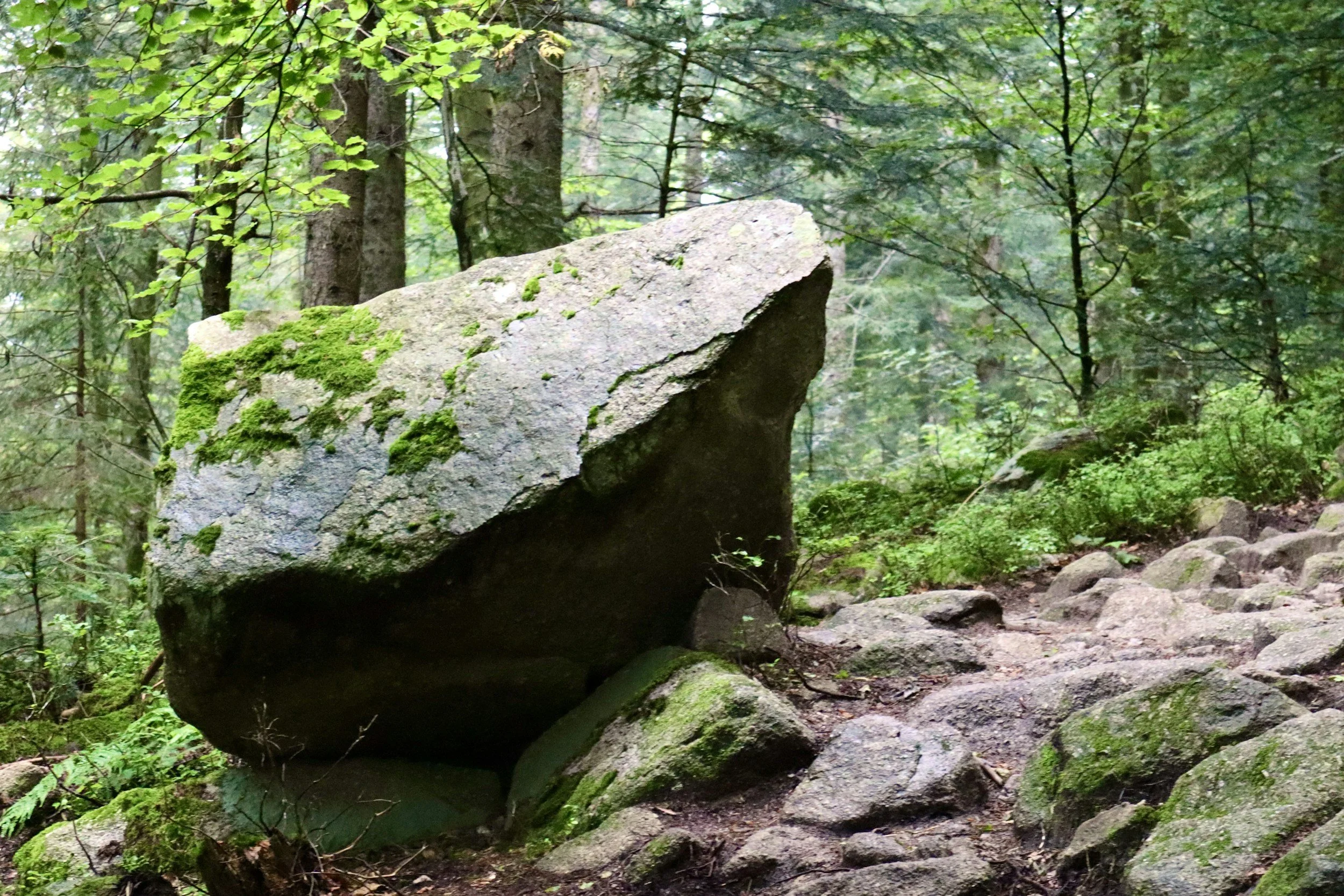
If we view healing and psychological health as a process that is generative and aims to arrive at a state that isn’t solid or static, but allows for an invites dynamic change, what do you see for yourself? What would it mean to experience a sense of aliveness, where nothing is petrified? Petrified is an interested word in that it means both so frightened as to now be able to move (think holding breath even too scared to breathe!), and living organic matter being changed into stone.
My perspective is that psychotherapy is a living, dynamic, unfolding process where I do not have the answer ready made. It is a process that engages in the lifelong journey of Individuation. It does not always feel great, it is rarely easy, but it is absolutely worth it. The cost of remaining petrified is too great, and it can be more than reducing yourself to a “regulated nervous system”. Psychotherapy is a place to begin this journey— you do not have to go it alone. Reach out today.
““Individuation means becoming what one truly is — not what one is supposed to be.”
”